Spend time on TikTok or Instagram and you’ll find someone documenting their quest for impossibly white teeth. That could involve anything from glowing LED mouthpieces to DIY hacks with charcoal and hydrogen peroxide. Influencers rank whitening kits the way wine critics rank vintages while cosmetic dentists share dramatic before-and-afters that rack up millions of views.
These all fuel the global teeth whitening market, which is projected to reach $10.6 billion by 2030. The desire for white teeth has been around for decades, but the expectations are higher than ever. As the bar for a "perfect" smile rises, so do concerns about sensitivity and long-term oral health.
That growing fatigue may explain why a different approach is starting to gain traction: one that prioritizes healthier enamel, gradual brightening, and natural whitening toothpaste over dramatic transformations.
How Teeth Whitening Became a Billion-Dollar Industry
Whitening used to be something people did before a wedding or major life event. Today, it's treated as routine maintenance.
Social media played a big role. We're constantly looking at ourselves on video calls and front-facing cameras. Celebrity smiles have become more visible than ever. Cosmetic procedures that once felt aspirational now appear attainable.
The whitening category evolved to meet that demand. Whitening strips moved from novelty to drugstore staple. LED kits transformed bathroom counters into mini dental clinics. Boutique whitening studios opened in shopping centers.
Much like skincare, oral care became less about solving problems and more about optimization.
How White Should Your Teeth Actually Be?
There’s an uncomfortable truth that teeth whitening advertisements ignore: Our teeth aren’t naturally bright white.
Healthy teeth vary in color depending on genetics, age, enamel thickness, and the shade of dentin underneath. Most fall somewhere along an ivory spectrum.

Ultra-white veneers, filters, and heavily edited photos have shifted expectations of what healthy teeth should look like. A smile that would have been considered beautiful twenty years ago can feel inadequate when compared against an algorithmically curated feed.
The irony is that many people pursuing ever-whiter teeth already have perfectly healthy smiles.
The Dark Side of Teeth Whitening
Most whitening products are considered safe when used as directed. The problems tend to happen when people decide that if a little whitening works, more must work better.
"It's very common to experience temporary sensitivity in your teeth or irritation to the gums after you start using a whitening product," explains Dr. Anne Clemons, DMD.
Sensitivity is one of the most common complaints. Peroxide-based products penetrate the tooth surface to break apart stains, but they can also aggravate the nerves inside the tooth. For people who already deal with sensitivity, the discomfort can be hard to ignore.
Gum irritation is another concern. Whitening agents that come into contact with soft tissue can cause redness and inflammation, especially when trays don't fit properly or treatments are overused.
Then there's enamel. Some whitening formulas rely on abrasive ingredients to physically polish stains away. These products can be effective. But excessive use, combined with DIY whitening trends involving lemon juice or charcoal, can contribute to unnecessary wear.
This creates a strange paradox: Chasing a healthier-looking smile in ways that can leave teeth feeling worse.
The Turn to Natural Teeth Whitening
Beauty trends have a tendency to swing between extremes.
Skincare moved away from over-exfoliation and toward barrier repair. Fitness shifted from punishing cardio to strength and recovery. Nutrition grew skeptical of crash diets and miracle cleanses.
Oral care appears to be experiencing a similar correction. Most people still want brighter teeth. But they also want stronger enamel and ingredients they feel comfortable using every day.
That’s where natural whitening fits into the picture. Instead of dramatic overnight transformations, the appeal lies in gradual brightening that works with the mouth rather than against it: lifting surface stains, supporting a healthier oral environment, and avoiding sensitivity.
For many people, that approach feels more sustainable.
A Better Way to Brighten Your Smile
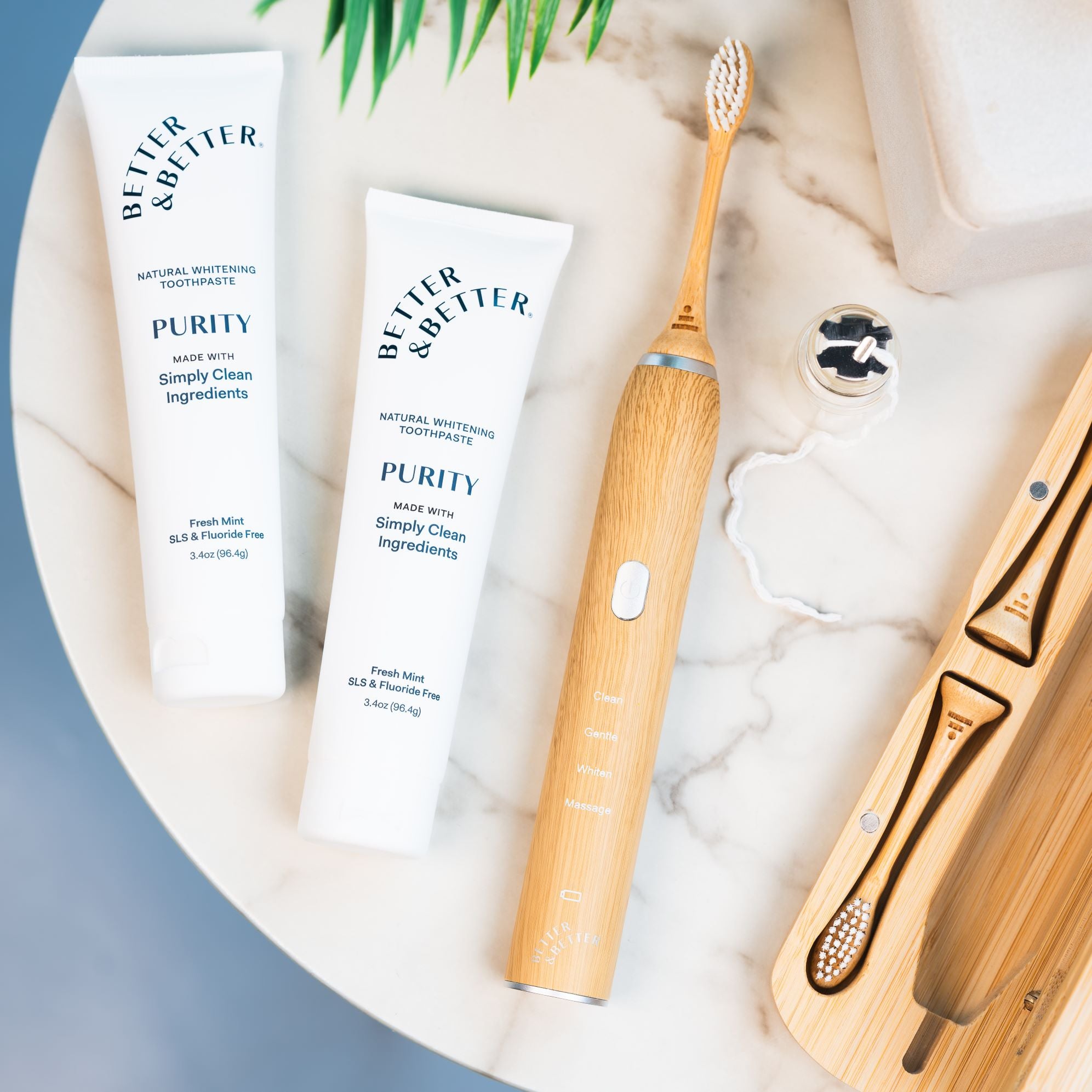
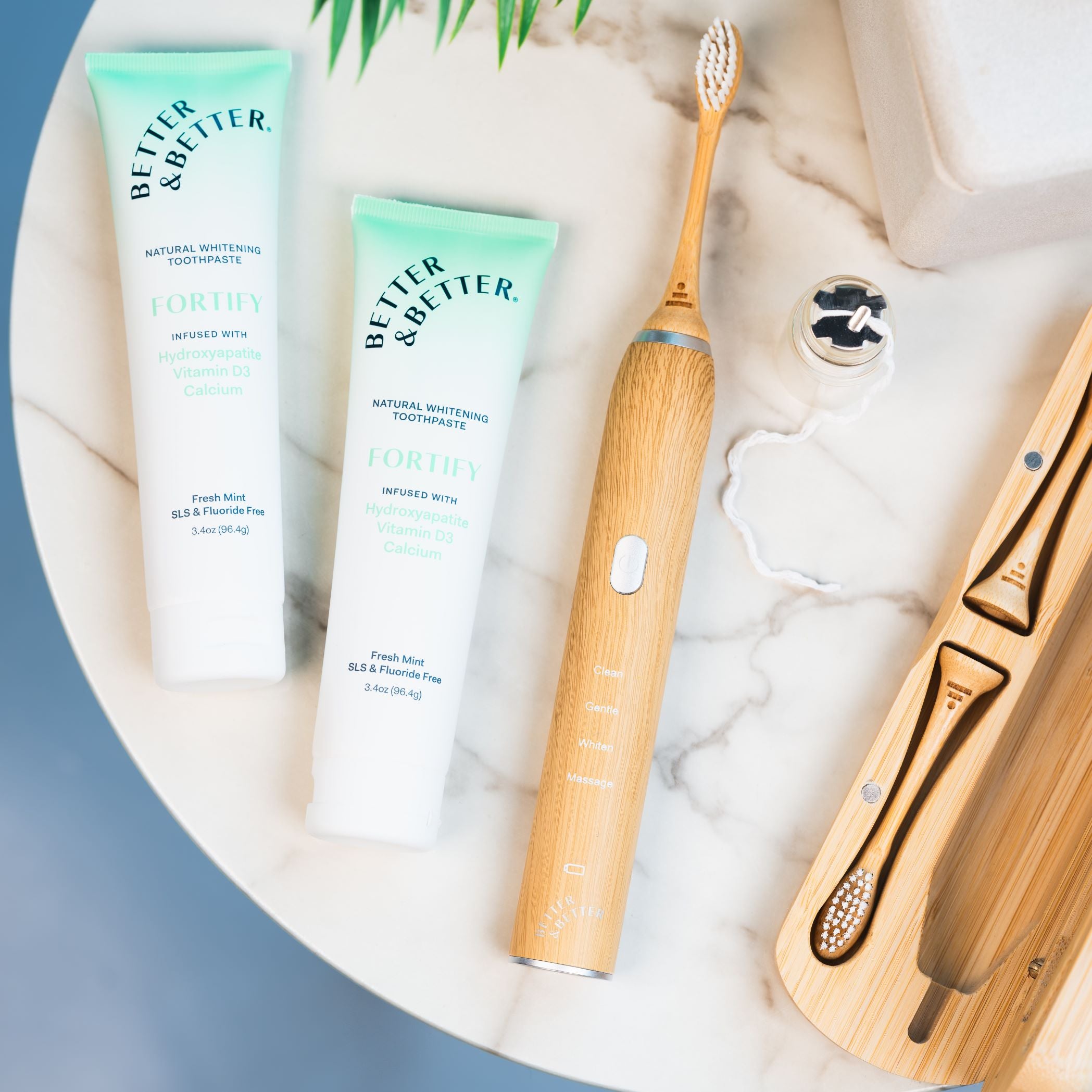
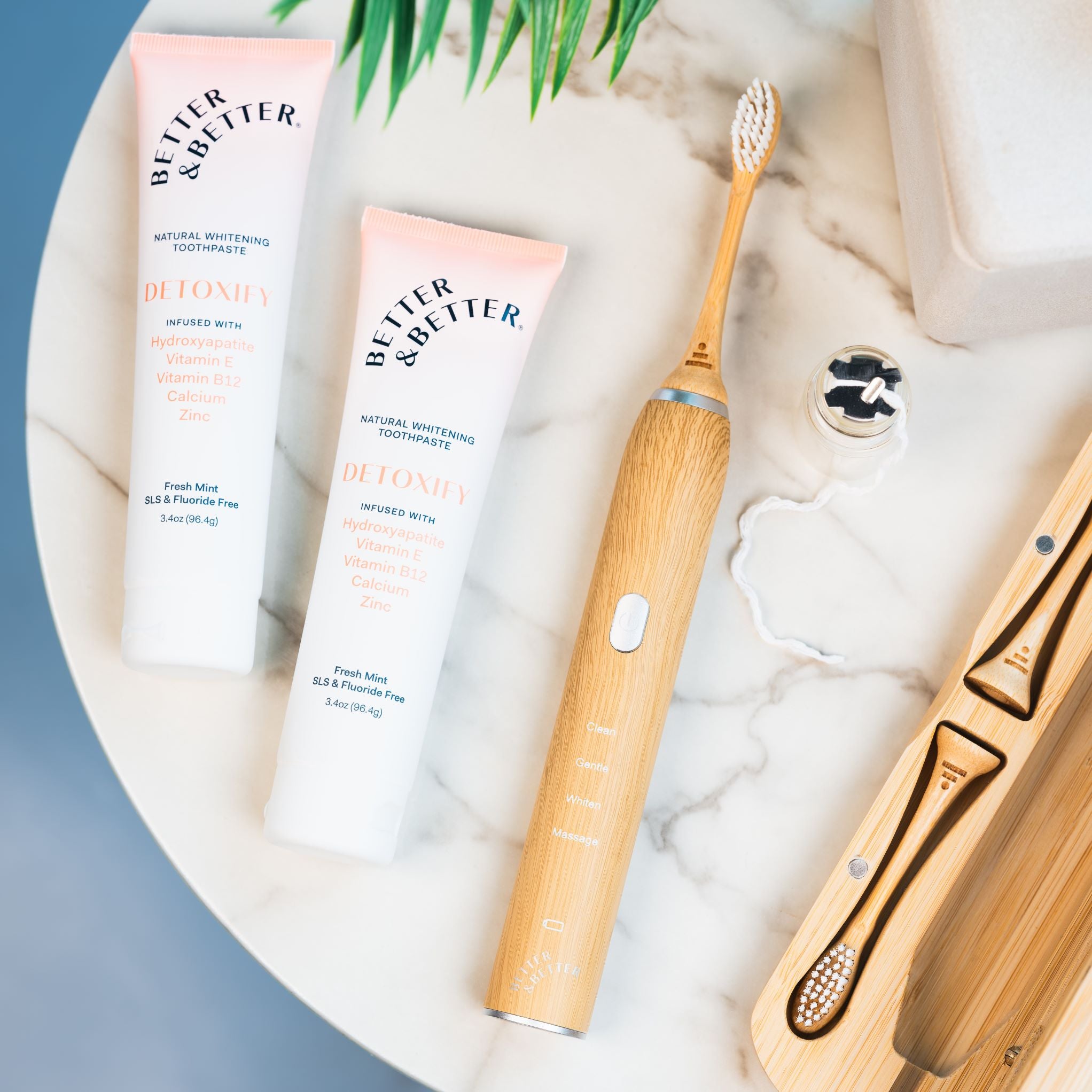
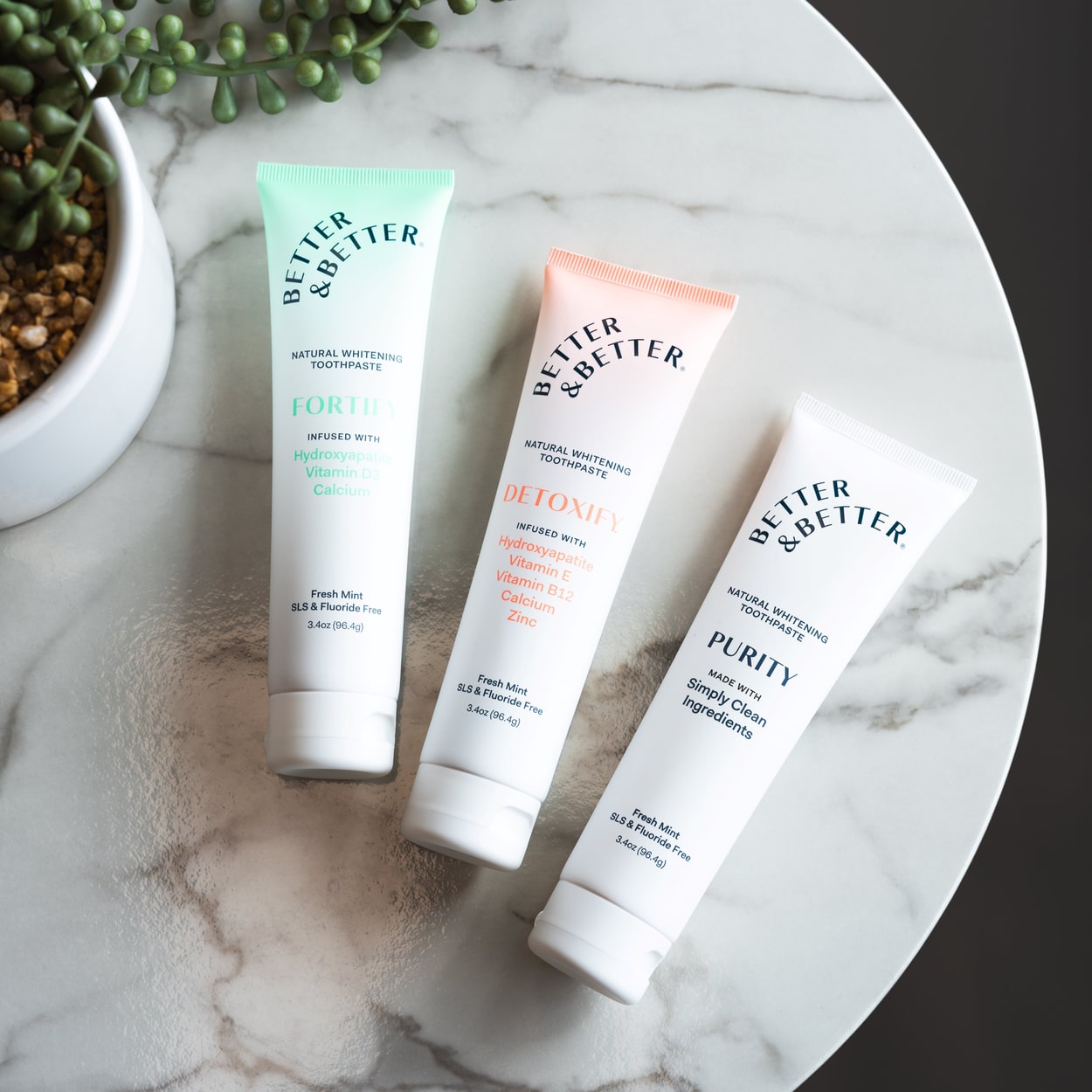
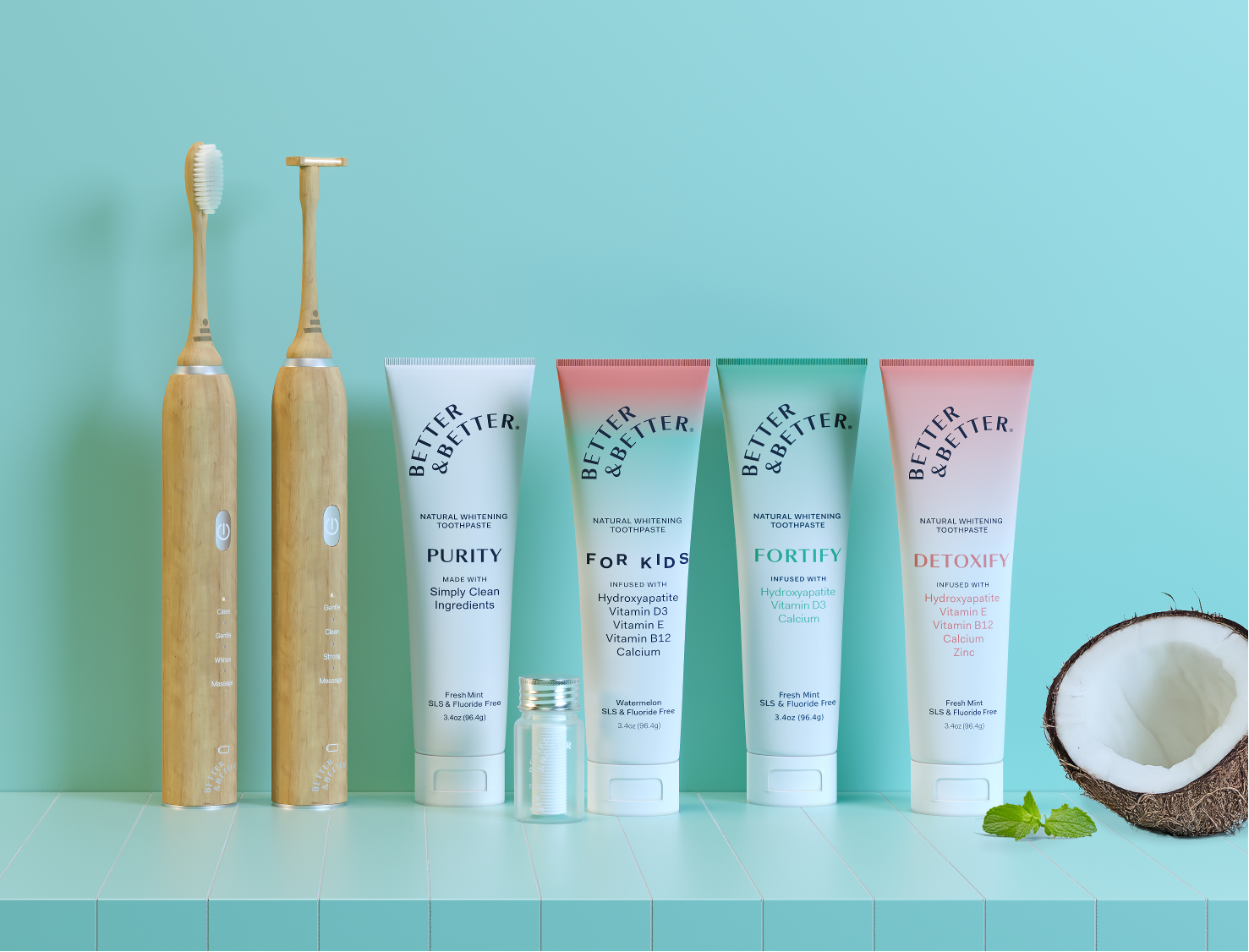
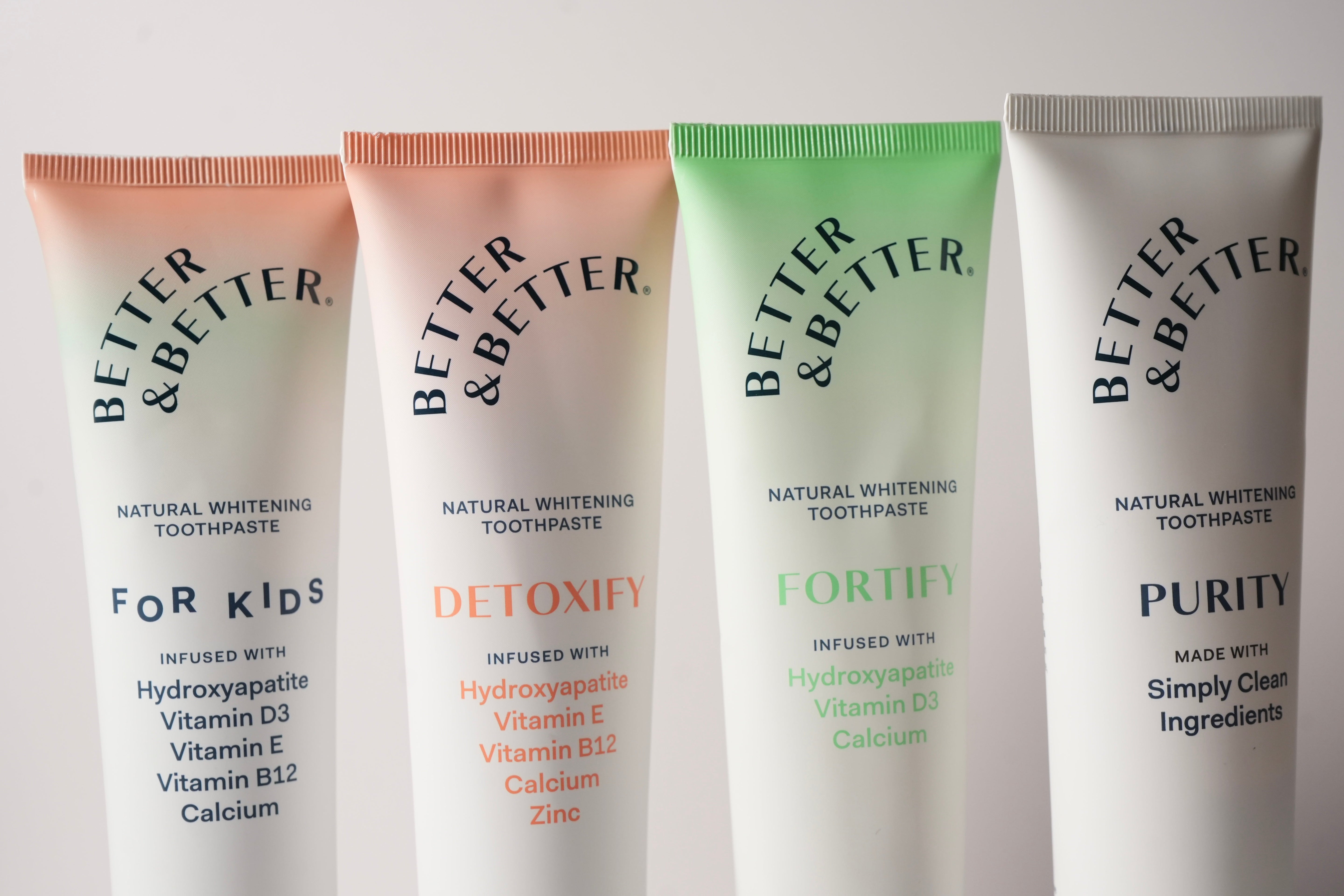
At Better & Better, we believe brighter teeth should be the byproduct of healthy daily habits. That's why we chose toothpaste ingredients that help gently polish away surface stains while supporting the overall health of your mouth:
- Baking Soda: Helps lift surface stains and neutralize acids in the mouth without relying on peroxide.
- Organic Coconut Oil & Coconut Powder: Natural coconut ingredients long used in Ayurvedic oral care that provide gentle polishing and may help combat the bacteria associated with bad breath, plaque buildup, and inflammation.
- Rice Powder: A mild abrasive that helps scrub away stains and buildup without being overly harsh on enamel.
- Sodium Chloride: An enduring mineral that helps cleanse and gently polish the surface of teeth.
- Calcium Carbonate: A USDA-approved polishing ingredient that helps remove plaque and surface stains while remaining easy on enamel.
Whitening doesn't have to be an all-or-nothing proposition. Sometimes, the healthiest approach is also the most sustainable: supporting your teeth twice a day rather than trying to overhaul them overnight.
The Brightest Smile Isn’t Always the Best Smile
A brighter smile will probably always be desirable. But the future of oral care may look less extreme and more balanced: gradual improvements instead of dramatic interventions, stronger enamel instead of harsher formulas, and products designed to support the health of your teeth for decades rather than the next photo opportunity.
Healthy teeth don't need to be blindingly white to look beautiful. More often, the best smiles simply look well cared for.